Simple Clean Resume: Your First Step to a Polished Career Document
That feeling when you hit "submit" on a job application is a mix of hope and anxiety. You've poured hours into your experience, skills, and cover letter, but there's one final hurdle: the resume itself. It needs to look as professional as you are. A cluttered, inconsistent, or outdated layout can distract from your achievements, while a clean, well-organized document speaks volumes before a single word is read. This is where the right template becomes a powerful tool, not just a convenience.
More Than Just a Document: The Visual Language of a Professional CV
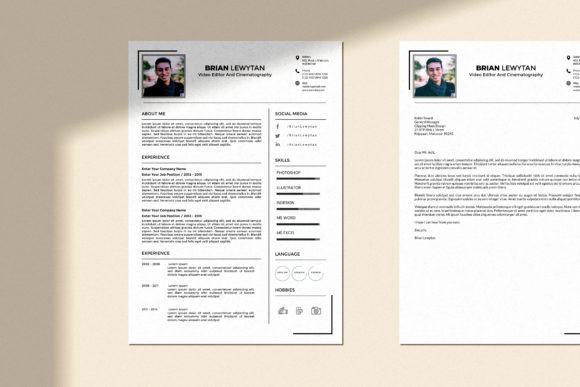
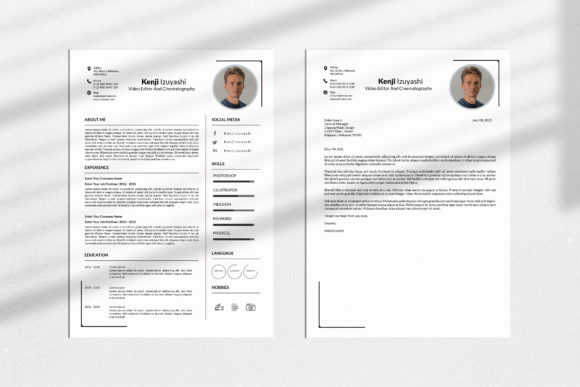
Think of your curriculum vitae not as a list, but as a piece of editorial design. It's your personal brand's first touchpoint. A Simple Clean Resume template is crafted with this principle at its core. The "clean" aspect isn't about being plain or boring; it's about intentional whitespace, clear typographic hierarchy, and a layout that guides the reader's eye effortlessly from your name to your most relevant accomplishments. This contemporary resume style avoids decorative distractions, focusing instead on impeccable alignment and a logical flow of information. It's the difference between a cluttered bulletin board and a professionally curated gallery wall—both hold content, but one presents it with authority and clarity.
Practical Applications for the Modern Professional
While its primary purpose is to secure interviews, the value of a well-designed template extends into the very fabric of your professional toolkit. Consider how this resource integrates into your broader brand identity. The same design principles that make a CV readable—consistent margins, a harmonious font pairing, and a restrained color palette—can be applied across all your marketing assets.
- Consistency Across Documents: Use the template's style as a base to create matching cover letters, reference sheets, and even portfolio summaries. This creates a cohesive application package that feels meticulously prepared.
- Digital Portfolio Integration: The clean aesthetic translates beautifully to a simple personal website or online portfolio. The same sans serif font choices and spacing can create a seamless visual journey from PDF to webpage.
- Professional Presentation Decks: Adapt the color scheme and typography for slide decks used in interviews or client presentations, reinforcing your personal brand's professionalism.
- Social Media Graphics: For entrepreneurs or freelancers, the template's color codes and font styles can inform the look of LinkedIn banners, Instagram post templates, or digital business cards, ensuring visual consistency everywhere you appear online.
This isn't about being rigid; it's about being strategic. A unified visual language builds brand recognition and communicates that you pay attention to detail—a quality every employer values.
Unlocking the Design: Features That Empower You
The true power of a premium resume template lies in its editability and technical precision. This particular Simple Clean Resume template is developed with the end-user in mind, removing the technical barriers that can make design software intimidating.
The package includes multiple file formats—AI, PSD, PDF, and Word—giving you flexibility. Whether you're comfortable in Adobe Illustrator, prefer the layer-based editing of Photoshop, or need the universal accessibility of a Word document, you can work in the environment you know best. Every element, from the color of a divider line to the size of your section headings, is 100% editable. The layers are plainly organized and labeled, which means you're not wasting time searching for the "Experience" section text box; you can find it and modify it instantly.
Technical specs matter for a flawless result. The A4 format paper size with a 6mm bleed ensures your document prints perfectly without cutting off text. The CMYK color mode is optimized for professional printing, so the subtle navy or charcoal you see on screen will match the final product. The artboard dimensions are standard, making it easy to export for any use case. This attention to detail in the design assets itself is what separates a quick fix from a long-term professional tool.
Making It Your Own: Practical Customization Tips
Having a great template is the starting point. The next step is personalization that aligns with your industry and personal brand. Here’s how to approach it thoughtfully.
Choosing Your Style: The template likely includes a primary serif font for headings and a sans serif font for body text—a classic, modern typography pairing that ensures readability. Stick with this hierarchy. If you're in a creative field, you might swap the heading font for a more expressive display font or a subtle script font for your name, but test it thoroughly to ensure it doesn't compromise clarity.
Color Strategy: Use color sparingly. A single accent color for your name, section dividers, or icons can add personality without becoming distracting. Pull a color from your portfolio website or logo to tie everything together. Remember, on a printed page, less is more.
Content-First Editing: Before you start tweaking fonts and colors, paste your actual text into the template. This allows you to see how your content flows within the layout. You may need to adjust font sizes or margins to accommodate a longer work history or to highlight a particular skill set. The goal is to use the template's structure to improve your professional presentation, not to force your content into a rigid box.
Licensing Matters: Since this is a commercial font and template bundle, the license is crucial. Typically, these licenses allow for unlimited personal and commercial use for the documents you create with it—like your resume and cover letter. However, you cannot redistribute the original template files themselves. This protects the designer's work while giving you full freedom to use the final product in your career.
Ultimately, a Simple Clean Resume