Modern Invoice Design: A Professional Template for Your Business
First impressions in business are rarely made with a handshake anymore. They happen when a client opens a PDF, unboxes a product, or scrolls through your portfolio. The visual language you use—from your logo to your social media posts to the invoices you send—tells a consistent story about who you are. A thoughtfully designed invoice does more than request payment; it reinforces your professionalism and attention to detail, turning a mundane transaction into another touchpoint for your brand.
Crafting a Cohesive Brand Experience
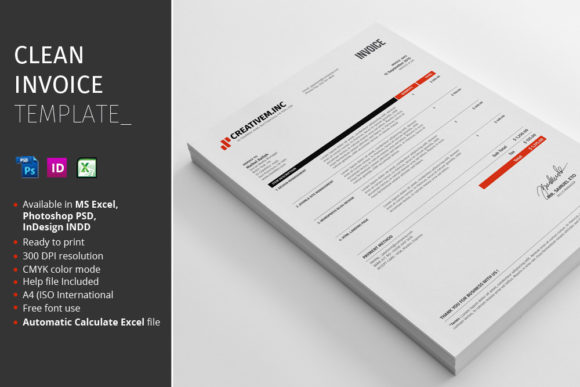
Think about the last invoice you received. Was it a plain, text-heavy document that felt like an afterthought, or did it reflect the personality and quality of the service you paid for? The difference is significant. A cohesive brand identity, supported by assets like a premium font and a structured invoice template, builds trust and recognition. When every piece of communication, from a proposal to a thank-you note, shares the same visual DNA, you create a seamless experience that clients remember. This isn't about being flashy; it's about being intentional.
This is where a versatile design asset package becomes invaluable. Imagine having a suite of tools that allows you to produce not just invoices, but also matching letterheads, social media graphics, and presentation slides. The goal is visual consistency across all platforms—your website, printed materials, and digital communications all speaking the same design language. This consistency is the bedrock of strong brand recognition.
What's Inside the Design Package
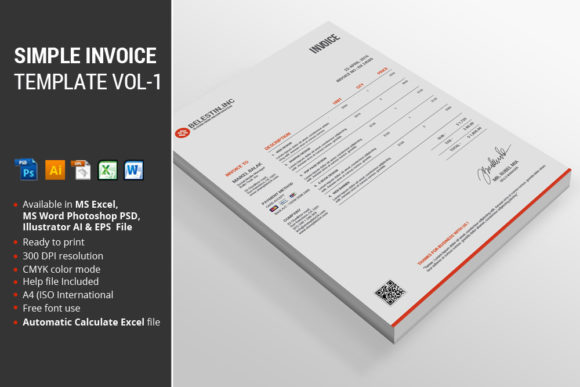
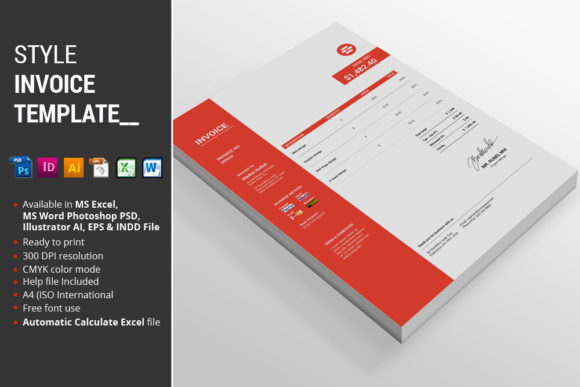
A well-assembled design package is like a toolkit for your brand's visual identity. It should provide the raw materials and the flexibility to adapt them to your specific needs. A comprehensive offering typically includes multiple file formats to ensure compatibility with various software and workflows. For instance, you might receive:
- Editable Source Files: Formats like Adobe Photoshop (PSD), Illustrator (AI), and InDesign (INDD) files give designers full control to customize every element, from colors to layouts.
- Ready-to-Use Office Files: Microsoft Word and Excel templates are crucial for business owners who need to quickly populate and send documents without diving into complex design software. An Excel file with automatic calculations is a particular time-saver for financial documents.
- Print-Ready Formats: EPS files ensure your designs are scalable and high-quality for professional printing, from business cards to large posters.
- Clear Documentation: An instructions PDF is essential. It should guide you through installation, customization, and best practices, including links to any required fonts.
The value lies in this versatility. A single package can serve a graphic designer building a brand identity for a client, a small business owner creating their own marketing materials, or a freelancer ensuring their client communications look polished and professional.
Practical Applications for Creative Professionals
The true test of a design asset is its application across different projects. A strong template and font pairing can be leveraged in numerous ways:
- Brand Identity & Logo Design: The core typeface can become a central element of your logo and brand guidelines, setting the tone for your entire visual system.
- Marketing & Sales Collateral: Use the design system to create consistent brochures, sales sheets, and digital ads that reinforce your brand message.
- Digital Presence: Ensure your website, blog headers, and email newsletters maintain the same typographic style, enhancing readability and professional appeal.
- Social Media Graphics: Create a recognizable look for your Instagram posts, Facebook covers, and Pinterest pins, making your content instantly identifiable in a crowded feed.
- Packaging & Merchandise: For product-based businesses, consistent typography on labels, boxes, and merchandise elevates the unboxing experience and strengthens brand perception.
- Editorial & Print Layouts: Designers can use these assets to create beautiful magazines, lookbooks, and event invitations with a unified aesthetic.
By starting with a professional template, you save hours of design time while ensuring a high-quality, cohesive result. It allows you to focus on your core business or creative work, confident that your visual communications are handled.
Making Smart Design Choices
Choosing the right elements for your project involves more than just picking what looks good. It requires strategic thinking about your audience and goals. When selecting a font style, consider the personality you want to convey. Is your brand modern and clean, or classic and elegant? A sans-serif font often feels contemporary and approachable, while a serif font can impart tradition and authority.
Font pairing is another critical skill. The goal is contrast and harmony. A common and effective practice is to pair a distinctive display or header font with a highly readable body font. For example, a bold, modern display font for headlines can be beautifully balanced by a clean, simple sans-serif for paragraphs. Always test your pairings in context—see how they look in a mockup of your intended use, whether it's a website hero section or a printed brochure.
Readability should never be sacrificed for style. Ensure your chosen typeface is legible at the sizes you'll use it, especially for body text on screens. Pay attention to letter spacing, line height, and contrast against the background. Finally, always review the included font styles and licensing. Understanding the commercial use rights is essential to avoid legal issues down the line, ensuring your beautiful designs are also compliant.
Investing in a quality design system is an investment in your brand's perception. It streamlines your workflow, ensures consistency, and provides the professional polish that builds client trust and audience engagement. When every detail is considered, your business doesn't just look good—it feels established, reliable, and worth investing in.