Streamline Your Next Big Release with a Launch Template
Launching a new application or feature is a high-stakes moment filled with excitement and, frankly, a lot of pressure. You've poured months of work into development, design, and testing, and now it's time to present it to the world—or at least to your key stakeholders. The challenge isn't just in the product itself, but in communicating its value clearly, aligning your team, and ensuring every department from marketing to sales is on the same page. This is where a structured approach becomes your greatest asset, transforming a complex web of information into a compelling, actionable narrative.
Why a Dedicated Presentation Framework Matters
A well-crafted product launch presentation does far more than just display screenshots. It serves as the central nervous system for your entire go-to-market strategy. It forces you to articulate the core problem your app solves, define your target audience with precision, and establish measurable goals. Without this clarity, teams can easily drift, focusing on features rather than benefits, or missing critical milestones. A template provides the guardrails, ensuring you cover every essential element—from the high-level vision down to the specific KPIs that will define success. It's the difference between a scattered collection of thoughts and a persuasive, cohesive story that builds confidence and secures buy-in.
Building Your Narrative: Beyond the Feature List
The most common pitfall in launch presentations is diving straight into a feature dump. Your audience, whether they are executives, investors, or cross-functional teams, needs context first. Start by framing the wider issue. What customer pain point or market gap does this application address? Use data, user quotes, or competitive analysis to make this problem tangible and urgent. Only then should you introduce your solution as the compelling answer. This narrative arc—problem, solution, impact—is what captures attention and makes the subsequent details meaningful. Your slide deck should guide the viewer through this journey logically, using visuals to support, not distract, from the story.
Key Components of an Effective Launch Deck
While every launch is unique, a robust template typically includes several foundational sections. Think of these as your storytelling pillars:
- The Vision & Problem Statement: Clearly define the "why" behind the launch. What change are you driving?
- Target Audience & Personas: Who is this for? Be specific about their behaviors, needs, and how your app fits into their daily workflow or life.
- Product Overview & Value Proposition: Here, you move into the "what." Showcase the app's core functionality and, crucially, the unique benefits it delivers. Avoid jargon; focus on outcomes.
- Go-to-Market Strategy: Outline how you plan to reach your audience. This includes marketing channels, pricing models, partnership plans, and sales enablement materials.
- Key Performance Indicators (KPIs) & Milestones: Define what success looks like in concrete terms. This could be user acquisition targets, engagement metrics, or revenue goals. Pair these with a timeline of key milestones to create accountability.
- Team & Resources: Briefly highlight the key players and any critical resources or support needed to execute the plan.
Each section should be distilled to its essence. The goal is to provide enough detail to inform and persuade, without overwhelming the audience with every minor specification.
Designing for Clarity and Impact
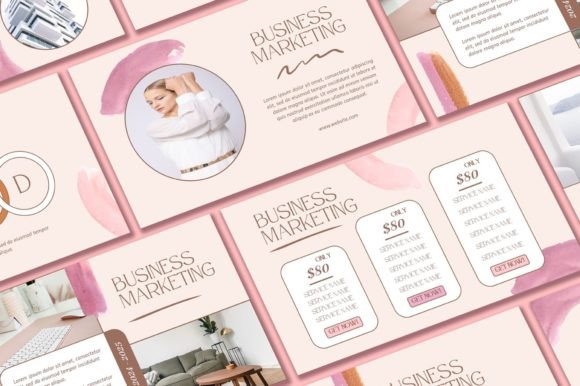
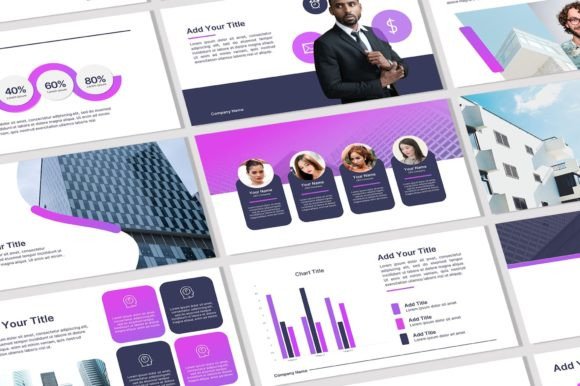
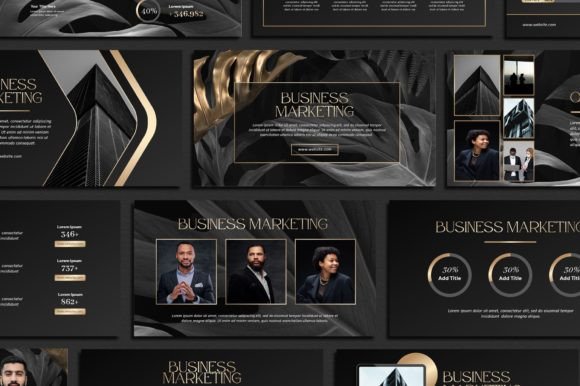
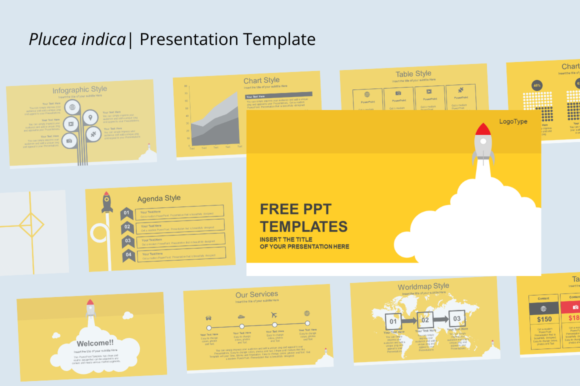
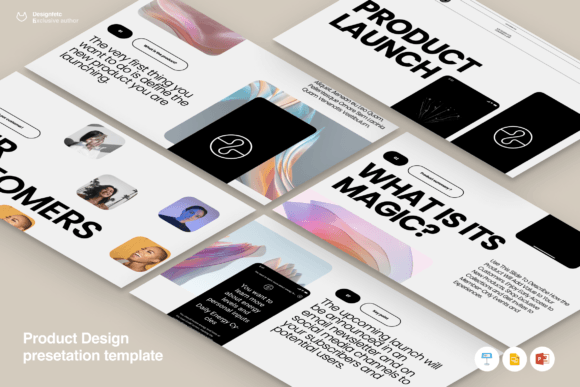
The visual design of your presentation is not merely decorative; it's a critical component of communication. A cluttered, poorly designed deck can undermine even the most brilliant product strategy. Opt for a clean, modern layout that uses ample white space. Choose a consistent color palette that aligns with your brand identity, and select typography that is both professional and highly readable. A premium font with clear hierarchies—a strong sans serif font for headings and a legible serif or sans serif for body text—can dramatically improve comprehension. Use high-quality visuals, but ensure every image, chart, or icon serves a clear purpose, illustrating a point rather than filling space. Remember, you don't need hundreds of slides; you need the right slides, each with a single, focused message that makes your presentation pop.
Customization and Consistency for Your Brand
A generic template is a starting point, but true power lies in customization. This is your opportunity to reinforce your brand's visual language. Inject your official color scheme, use your brand's logos and iconography, and apply your chosen typefaces consistently throughout. This creates a professional, polished impression and builds subconscious brand recognition with every slide. When stakeholders see a deck that looks and feels like your company, it adds a layer of credibility and cohesion to your message. It signals attention to detail and a unified brand experience, which is especially important when launching a new product meant to strengthen that very brand.
Practical Tips for a Flawless Delivery
With your content and design locked in, shift your focus to delivery. Practice your narration to ensure the flow feels natural. Anticipate questions and prepare concise, data-backed answers. Use the presentation as a dynamic guide, not a script to read verbatim. Engage your audience by making eye contact, varying your tone, and inviting discussion at logical pauses. Finally, always have a version optimized for sharing—a high-quality PDF ensures your carefully crafted slides look perfect when viewed independently by stakeholders who couldn't attend the live meeting. A thoughtful, well-structured launch presentation is more than a document; it's the catalyst that aligns teams, excites markets, and sets the stage for a successful product journey.