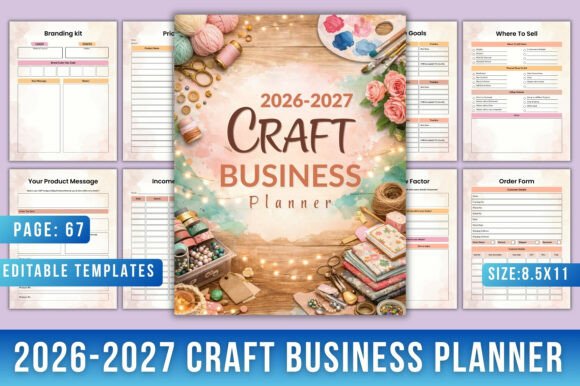
2026–2027 Craft Business Planner: The Creative Entrepreneur's Blueprint
Juggling the creative spark with the daily grind of running a business can feel like trying to paint a masterpiece while balancing the books. For makers, designers, and artisan entrepreneurs, the passion for the craft is often eclipsed by the administrative avalanche of orders, inventory, finances, and marketing. This is where a dedicated system becomes not just helpful, but essential for sustainable growth and creative sanity. The 2026–2027 Craft Business Planner emerges as that essential system, offering a structured yet flexible framework designed specifically for the unique rhythms of a creative enterprise.
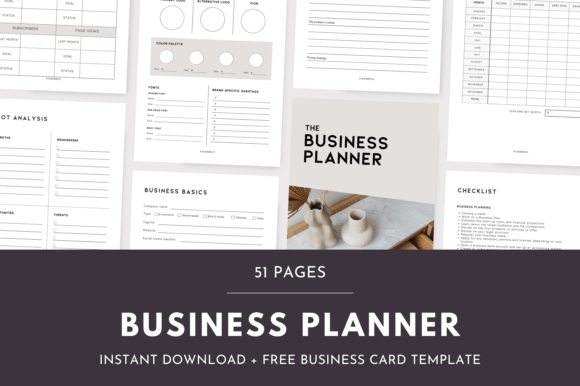
More than just a calendar, this planner functions as a centralized command center. Its true value lies in its holistic approach, acknowledging that a successful craft business is an ecosystem where branding, production, sales, and finance are deeply interconnected. By consolidating these elements into a single, beautifully designed organizer, it eliminates the chaos of scattered notes, multiple apps, and forgotten to-do lists. The result is a tangible asset that brings clarity to the complex journey from idea to invoice.
A Visual Framework for Your Brand Identity
One of the planner's most powerful features is its dedicated section for branding and product planning. In a crowded marketplace, a cohesive brand identity is your silent ambassador. This planner provides structured pages to define your core brand elements—your mission, color palette, typography choices, and visual style. This isn't theoretical; it's practical. By documenting your font pairings for logos, social media graphics, and packaging, you ensure every customer touchpoint communicates the same professional story. This level of visual consistency builds brand recognition and trust far more effectively than ad-hoc design choices.
Consider the practical applications. Your defined brand palette in the planner directly informs the colors on your new product packaging. The typography choices noted for your logo guide the fonts used on your website headers and editorial layouts for lookbooks. This internal document becomes the source of truth for all marketing assets, from social media graphics to print materials and invitations to local craft fairs. It transforms branding from a vague concept into a actionable checklist, ensuring your brand identity is consistently executed across every digital product and physical item.
From Creative Spark to Structured Production
The creative process itself is nurtured through dedicated creative idea & sketch pages. This is where brainstorming meets strategy. You can sketch new product concepts, jot down inspiration, and develop ideas in a focused space away from the distractions of daily operations. This separation is crucial—it allows for pure creativity without the immediate pressure of production timelines or costing sheets. Once an idea is solidified, you can seamlessly transition to the product management sheets to plan its development, materials needed, and production steps.
The order & inventory management sheets are the operational backbone. Tracking stock levels, customer orders, and product details in organized sheets prevents the nightmare of overselling or underproducing. For a small business, this level of organization is a game-changer. It directly impacts your ability to fulfill orders efficiently, manage cash flow tied up in materials, and plan for peak seasons. This structured approach to production frees up mental space, allowing you to focus on the quality and innovation that set your crafts apart.
Financial Clarity and Strategic Growth
Moving beyond creation and production, the planner tackles the financial realities of entrepreneurship with robust income & budget trackers. Monitoring earnings, expenses, and financial goals in a structured format demystifies your business's financial health. You can easily see which products are most profitable, track seasonal trends in your sales, and make informed decisions about pricing and investment. The included sales & pricing tools, such as price lists and receipt trackers, further streamline your financial workflow, ensuring you're not just busy, but profitable.
The marketing & growth planning pages elevate the planner from a record-keeping tool to a strategic partner. Here, you can plan promotions, analyze product performance, and explore new selling channels to scale your business. This is where you connect your daily efforts to long-term goals. Planning a social media campaign? Outline it here. Considering a new marketplace? Evaluate it in these pages. This strategic layer ensures that every action you take is intentional and aligned with your vision for growth, turning reactive tasks into proactive business development.
Integrating the Planner into Your Daily Workflow
The effectiveness of any system depends on its integration into your daily life. The yearly & monthly calendars provide a high-level view for long-term planning—marking craft fair dates, product launch windows, and vacation time. The daily & weekly planning pages then break these goals into manageable actions. Dedicated to-do lists, schedules, and goal-setting sections help you stay productive and focused on what matters most each day, preventing important tasks from falling through the cracks.
Ultimately, the 2026–2027 Craft Business Planner is about creating a sustainable rhythm for your business. It acknowledges that your time and energy are your most valuable resources. By providing a clear, all-in-one system for planning, tracking, and growing, it helps you transition from being overwhelmed by the business side to being empowered by it. It’s a tool designed to protect your creative energy by systematizing the operational demands, giving you the confidence to build not just beautiful crafts, but a resilient and thriving business.